Mechanical / Digital Door Locks (542)

Tough, surface hardened steel padlock Extra-strong high security padlock, key can be removed only in locked position Durable construction for harsh environment The shackle holes are sealed so that they are dust and waterproof The keyway is protected with a weather seal cap Corrosion resistant Suitable for high security applications, like construction equipment, remote storage areas, trucks, warehouses, etc.
Add to Compare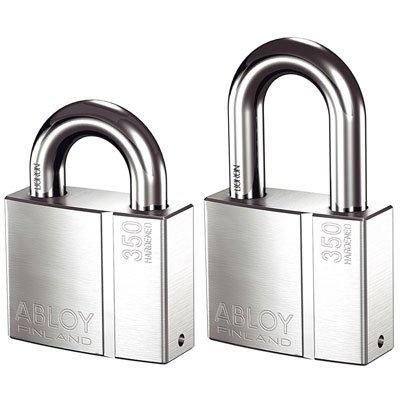
Heavy extra-strong high security padlock The body of the padlock is made of case-hardened steel and the shackle material is case-hardened boron steel The surface finish of the body and the shackle is bright chrome Key can be removed only in locked position Durable construction Corrosion resistant Suitable for extra high security applications, like shipping containers, railway wagons, trucks, warehouses, etc
Add to Compare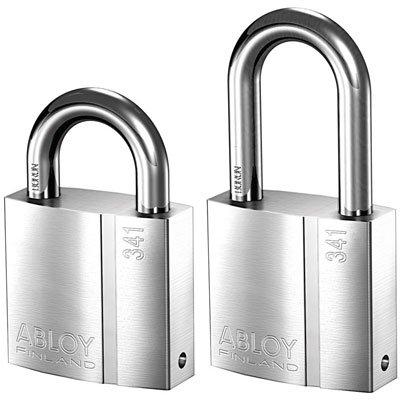
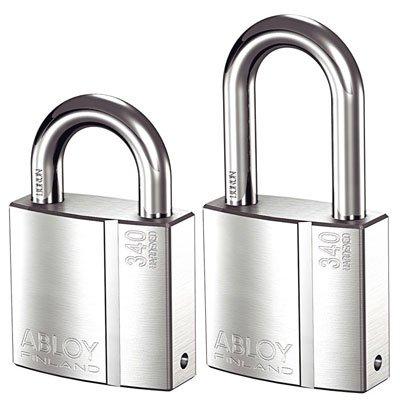
Surface hardened steel padlock Key can be removed only in locked position Durable construction even in harsh environment Corrosion resistant Suitable for high security applications, like construction equipment, remote storage areas, trucks, warehouses, etc.
Add to Compare


Extra strong high-security padlock Key can be removed only in locked position Durable construction even in harsh environment Corrosion resistant Shackle sealed Suitable for objects requiring high-quality protection Applications include, for example, locking of construction equipment, trailers, warehouses, trucks and roller blinds
Add to Compare

Extra strong high-security padlock Key can be removed only in locked position Durable construction even in harsh environment Corrosion resistant Shackle sealed Suitable for extra high security applications, like shipping containers, railway wagons, trucks, warehouses, etc.
Add to Compare
Extra strong high-security padlock Key can be removed only in locked position Durable construction even in harsh environment Corrosion resistant Suitable for heavy duty locking The hanger features the protective shoulders that make it impossible to break the lock with cutting and prying tools Strong padlocks are used for e.g. gates, warehouses and rackets.
Add to Compare
Suitable for locking basements and attics, toolboxes, storage cabinets and small machines The body of the padlock is made of brass and it has a bright chrome surface finish The available shackle materials are brass, stainless steel and case hardened boron steel The shackle's surface finish is either bright chrome or stainless steel, depending on the material
Add to Compare
Medium strength brass padlock with water sealing All-purpose padlock, key can be removed only in locked position Durable construction for harsh environment The shackle holes are sealed so that they are dust and waterproof The keyway is protected with a weather seal cap Corrosion resistant Suitable for storage doors, gates, power stations switches, trailers, motorcycles, etc. in wet and dirty environments
Add to Compare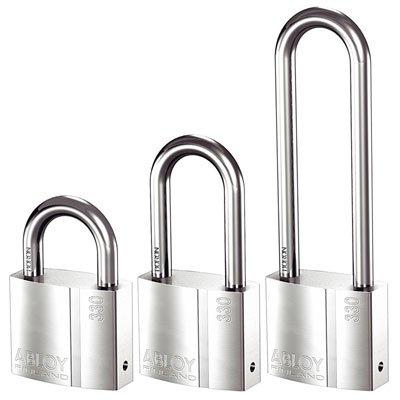
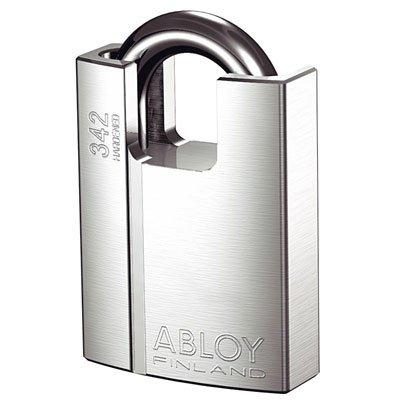
Surface hardened steel padlock Key can be removed only in locked position Durable construction Corrosion resistant Suitable for heavy duty locking The shackle is protected with raised shoulders that make it virtually impossible to break the padlock with cutting or prying tools Suitable for gates, warehouses and trucks
Add to Compare
Extremely strong high security padlock The shackle is protected with raised shoulders that make it virtually impossible to break the padlock with cutting or prying tools Key can be removed only in locked position Durable construction Corrosion resistant Suitable for extra high security applications, like containers, railway wagons, trucks, heavy sliding doors, military use, etc.
Add to Compare

Extra strong high-security padlock Key can be removed only in locked position Durable construction even in harsh environment Corrosion resistant Suitable for high security applications, like construction equipment, remote storage areas, trucks, warehouses, etc.
Add to Compare
Medium strength all-purpose brass padlock Key can be removed only in locked position Durable construction even in harsh environment Corrosion resistant Shackle sealed Suitable for locking cellar and attic rooms, locking toolboxes, storage cabinets and small machine, etc.
Add to Compare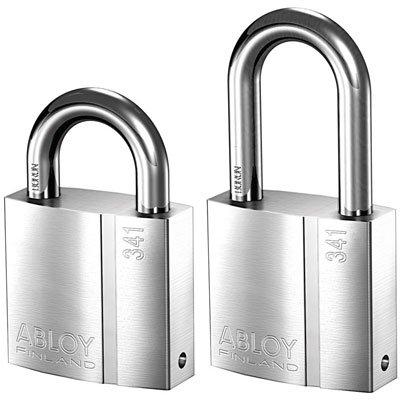

Extra strong high-security padlock Key can be removed only in locked position Durable construction even in harsh environment Corrosion resistant Shackle sealed Suitable for objects requiring high-quality protection Applications include, for example, locking of construction equipment, trailers, warehouses, trucks and roller blinds
Add to Compare

Extra strong high-security padlock Key can be removed only in locked position Durable construction even in harsh environment Corrosion resistant Shackle sealed Suitable for extra high security applications, like shipping containers, railway wagons, trucks, warehouses, etc.
Add to Compare
Extremely strong high security padlock The shackle is protected with raised shoulders that make it virtually impossible to break the padlock with cutting or prying tools Key can be removed only in locked position Durable construction Corrosion resistant Suitable for extra high security applications, like containers, railway wagons, trucks, heavy sliding doors, military use, etc.
Add to Compare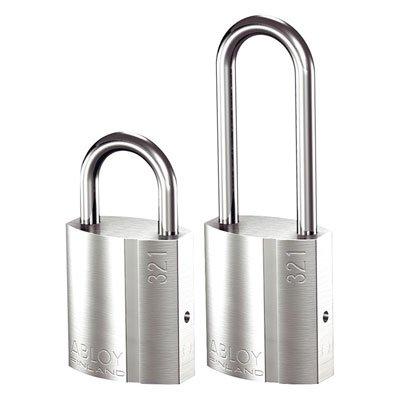

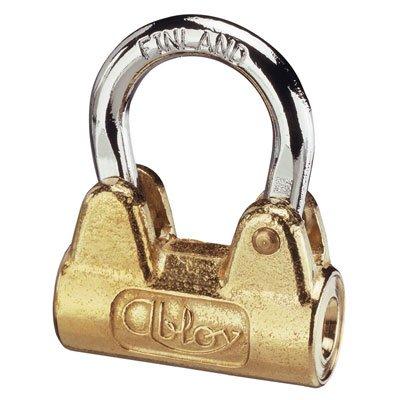
Made of brass and has no surface treatment The shackle is made of surface hardened steel and the surface finish is bright chrome Key can be removed open and closed position Suitable for general use, cash coins, toolboxes, storage cabinets and small machines
Add to Compare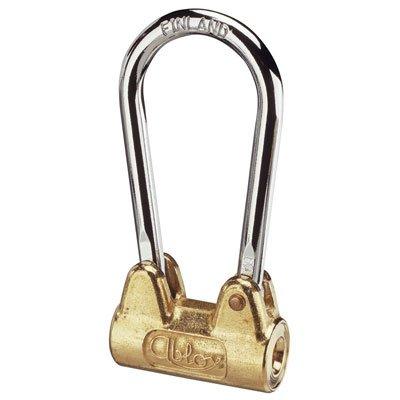
Made of brass and has no surface treatment The shackle is made of surface hardened steel and the surface finish is bright chrome Key can be removed open and closed position Suitable for general use, cash coins, toolboxes, storage cabinets and small machines
Add to Compare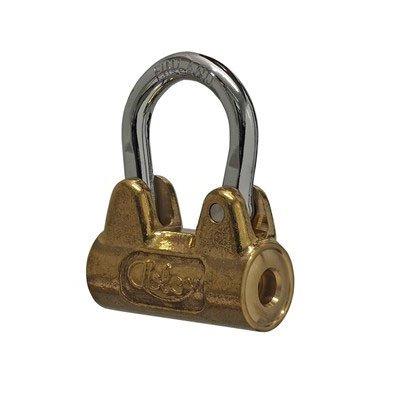
Made of brass and has no surface treatment The shackle is made of surface hardened steel and the surface finish is bright chrome Key can be removed open and closed position Suitable for general use, cash coins, toolboxes, storage cabinets and small machines
Add to Compare
Security lock case (comparable with security grade 5 according to EN 12209) for narrow profile doors Operates with key from either side with a double cylinder or from outside with a cylinder and inside with a thumbturn or from one side only with a single cylinder The key can only be removed when the hardened hookbolt is fully locked or retracted
Add to Compare
Mechanical lock with night- and day functions The lock can be opened from outside by a key and inside by a handle The lock deadlocks automatically when the door closes Snib can be set for secure and daytime positions Daytime snib position enables handle usage Secure snib position keeps outside handle freewheeling
Add to Compare
The door is opened from outside with a door pull The lock case fulfils the requirements of the European standard for exit products SFS-EN179 and SFS-EN1125 and the requirements of the lock case standard SFS-EN12209 The lock is always opened from the inside by a lever handle or panic bar The lock is deadlocked always when the door is closed The latchbolt protrudes 14 mm Microswitch version The switch changes the status when latchbolt is deadlocked
Add to Compare
The door is opened from outside with a door pull The lock case fulfils the requirements of the European standard for exit products SFS-EN179 and SFS-EN1125 and the requirements of the lock case standard SFS-EN12209 The lock is always opened from the inside by a lever handle or panic bar The lock is deadlocked always when the door is closed The latchbolt protrudes 14 mm
Add to Compare
Security mortice lock (security grade 5 according to EN 12209) with a hardened bolt and drilling protection For Scandinavian range cylinders The deadbolt has 20 mm bolt throw The deadbolt is locked and retracted by turning the key 360° or thumbturn 90° The key can only be removed when the bolt is fully locked or retracted The latchbolt is retracted by the lever handles only Fire resistance : suitable for fire doors
Add to Compare

The latchbolt deadlocks automatically when the door is closed, protruding 21 mm The lock case is suitable for use with a double cylinder and an emergency thumbturn The bolt is opened with either the key or the emergency thumbturn The switch changes its status when the bolt is fully extended (Deadlocked)
Add to Compare
The door is opened from outside with a door pull The lock case fulfils the requirements of the European standard for exit products SFS-EN179 and SFS-EN1125 and the requirements of the lock case standard SFS-EN12209 The lock is always opened from the inside by a lever handle, push pad or panic bar The latchbolt protrudes 14 mm Deadlocking is controlled by a snib in the front plate Using of the snib is normally blocked. The snib is released by turning the key When the snib is in its up position, the lock will deadlock when the door closes and can only be opened by a key from the outside or by a lever handle or panic bar from the inside When the snib is in its down position, the latchbolt is retained inside the lock case Microswitch version The switch changes the status when latchbolt is deadlocked
Add to Compare